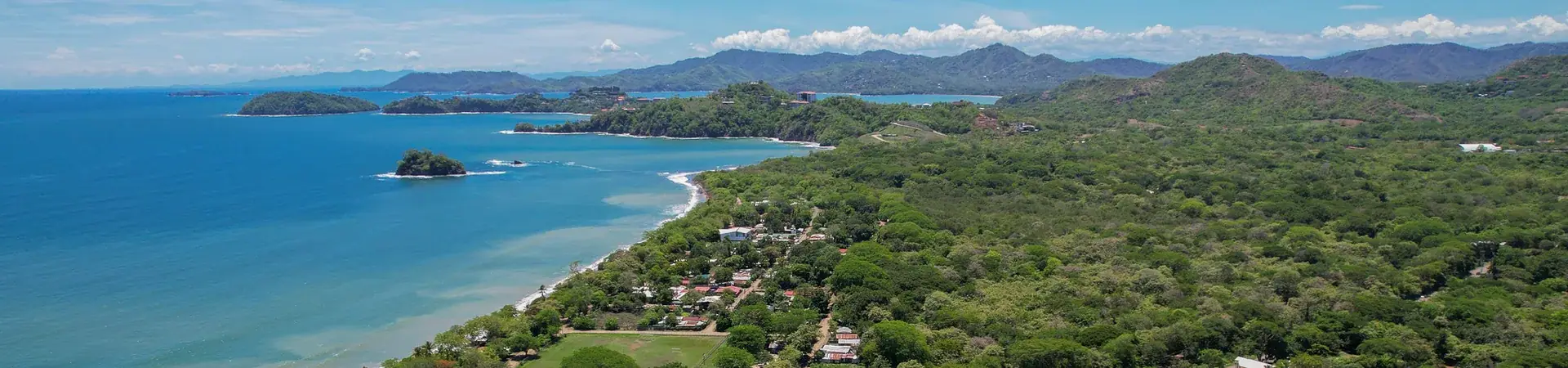
Costa Rica remains the #1 retirement destination for North Americans in 2026 — and for good reason. The Pensionado visa is one of the most accessible retirement visas in the world, the healthcare system rivals many first-world countries at a fraction of the cost, and the beaches of Guanacaste are still affordable.
The Pensionado Visa — What You Actually Need
Monthly pension income required
Processing time
Path to permanent residency
Monthly cost of living (comfortable)
The Pensionado visa requires just $1,000/month in pension income — US Social Security, Canadian CPP, or any regular pension qualifies. You do not need to be a certain age. Once approved, you get a DIMEX card (Costa Rican residency card), access to the CAJA public healthcare system, and a 35% discount on domestic airfare.
Real 2026 Cost of Living Numbers
| Category | Modest | Comfortable | Luxury |
|---|---|---|---|
| Rent (2BR) | $700–$1,000 | $1,200–$1,800 | $2,500+ |
| Groceries | $250 | $400 | $600+ |
| Utilities | $80 | $120 | $200+ |
| Healthcare | $80–$150 | $150–$300 | $400+ |
| Dining/Entertainment | $150 | $350 | $700+ |
| TOTAL | ~$1,400 | ~$2,400 | ~$4,500+ |
Is Costa Rica safe for retirees?
Guanacaste is among Costa Rica's safest regions, with crime rates well below the national average. Gated communities and established expat areas like Brasilito, Conchal, and Flamingo have active neighborhood watch systems.
How is the healthcare in Guanacaste?
Residents have access to Hospital Enrique Baltodano in Liberia (45 min from Brasilito/Flamingo), plus several private clinics in Tamarindo and Flamingo. CIMA San José, ranked among Latin America's best, is 4 hours away.
Do I need to speak Spanish?
Not to get started. The major expat areas have English-speaking services, real estate agents, doctors, and lawyers. Learning Spanish enhances the experience and is recommended for long-term residents.
Last updated: September 1, 2026